Rooflights: Stylish Roof Window Options for Commercial Spaces
Illuminate Your Space: The Ultimate Guide to Selecting the Ideal Rooflight
In urban environments, optimizing natural light can considerably affect the character of a property. Rooflights offer various benefits, from improving mood to raising property value. This overview covers essential elements to keep in mind when selecting the ideal rooflight. It reviews styles, materials, and placement strategies that can transform interiors. Recognising these aspects is essential for making informed choices. However, there is more to discover; key insights on installation and maintenance await.
Exploring the Advantages of Rooflights
Natural light is a transformative element in every space, and rooflights offer an effective solution to capture it. By permitting sunlight to stream into rooms, rooflights improve the ambience, creating a sense of openness and spaciousness. This influx of natural light can greatly improve mood and productivity, rendering spaces more inviting.
Moreover, rooflights support energy efficiency by minimizing the dependence on artificial lighting during daylight hours. This not only cuts electricity costs but also minimizes environmental footprint. Properly installed rooflights can boost ventilation, encouraging better air circulation and benefiting indoor air quality.
Moreover, rooflights can act as striking design features, providing architectural interest and value to a building. In essence, the advantages of rooflight installations extend beyond mere illumination; they enhance the overall living experience and foster a greener and more wholesome living space.
Rooflight Styles and Designs
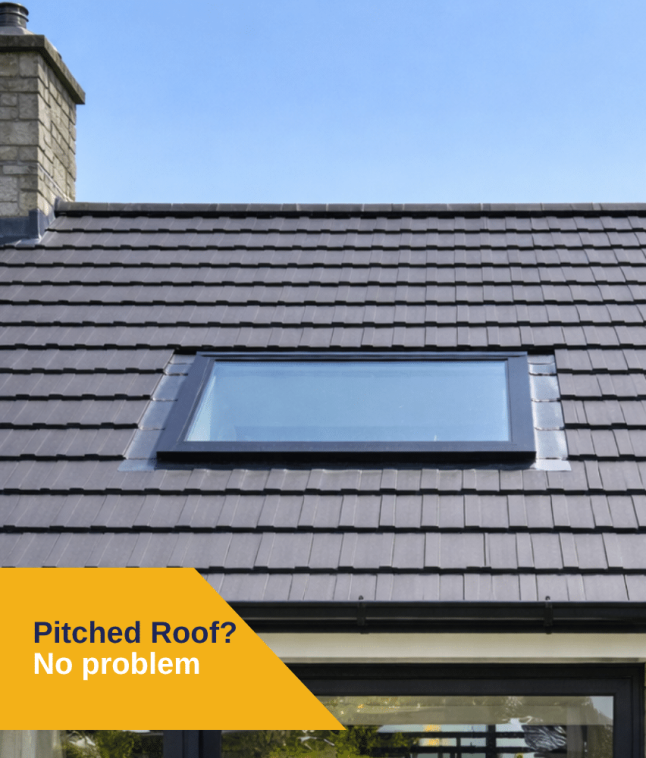
When choosing the most suitable rooflight, you should evaluate the range of styles and designs on offer, as every choice can profoundly affect both visual appeal and practicality. Widely favoured selections include fixed rooflights, which deliver a sleek, minimalist aesthetic, and opening rooflights that allow for ventilation alongside natural light. Sloped skylights, typically larger in size, can create a dramatic focal point in a room.
In addition, lantern rooflights showcase a diverse design that enriches architectural interest while amplifying sunlight. For heritage homes, vaulted or curved rooflights can complement timeless styles, offering a combination of elegance and practicality.
In addition, current design trends commonly include frameless styles, establishing a fluid transition between interior and exterior areas. Each style presents unique advantages, making it necessary to find one that matches the complete design vision while fulfilling distinct lighting needs.
Choosing Sturdy and Attractive Choices for Your Rooflight
Selecting the right elements for a rooflight impacts not just its durability but also its visual appeal. Widely used materials encompass glass, polycarbonate, and acrylic, each offering distinct benefits. High-quality reinforced or treated glass is chosen for its clarity and strength, letting natural light pour through while providing superior insulation. Polycarbonate, by contrast, is lightweight and resistant to impact, making it suitable for areas prone to harsh weather conditions. Its UV-protective properties helps maintain clarity over time, boosting both its visual appeal and resilience. Acrylic is another option, valued for its affordability and versatility, though it may scratch more easily than glass. When choosing materials, it is also important to evaluate frame options, such as aluminum or wood, which can complement the overall design while preserving the structural framework. In the end, the right combination of materials will enhance both functionality and the visual charm of the rooflight.
How to Install Your Rooflight Without Hassle
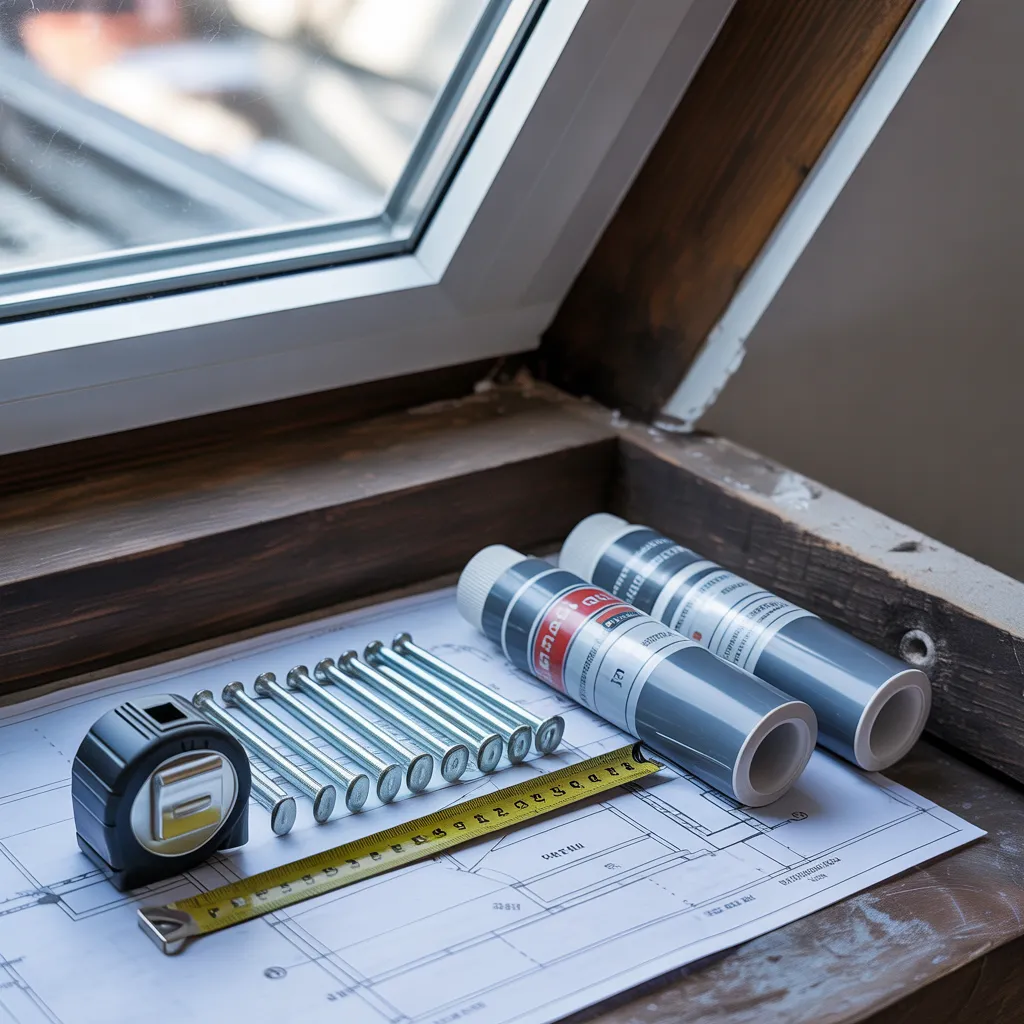
Fitting a rooflight calls for meticulous planning and execution to ensure a flawless incorporation within the existing structure. First, it is essential to assess the roof's condition and establish that it can bear the new installation. Accurate measurements of the rooflight and the opening are key to preventing any inconsistencies.
After that, cutting through the roof structure must be executed with precision, following manufacturer specifications. It is strongly suggested to use protective coverings to prevent debris from entering the home.
After the aperture is prepared, the rooflight structure should be positioned and read here secured, ensuring it is even and weatherproof. Proper sealing with flashing and the right materials will avoid water penetration.
In conclusion, interior refinement, such as trim and plastering, should be applied to produce a professional finish. Implementing these measures confirms that the rooflight not only improves natural light but also upholds structural soundness and aesthetic quality.
Where Should You Position Your Rooflight for Optimal Sunlight?
How does one establish the perfect placement for a rooflight to optimise sunlight exposure? The building's orientation plays a significant role; south-facing rooflights tend to absorb the most sunlight across the entire day. On the other hand, lights positioned to face east will benefit from early daylight, while lights oriented to the west benefit from later daylight hours.
The slope of the roofline impacts light penetration; a greater slope could facilitate more light to enter, especially during colder months when the sun is closer to the horizon. Moreover, taking into account adjacent structures and foliage is critical, as they can create shade that reduce sunlight penetration.
Thoughtfully installing rooflights throughout spaces such as kitchens or lounge areas maximises the influx of natural light, fostering a warmer and more appealing ambiance. Ultimately, evaluating these factors allows you to identify the ideal placement to optimise sunlight exposure, guaranteeing a light-filled and cheerful space.
Looking After Your Rooflight: Upkeep Advice
Maintaining a rooflight is important for ensuring its long-term effectiveness. Setting up a routine cleaning schedule minimizes dirt buildup, while regular inspections for wear and tear guarantee any issues are addressed promptly. By prioritizing these care procedures, property owners can benefit from the benefits of their rooflight for years to come.
Standard Cleaning Schedule
Even though rooflights boost natural light and energy efficiency, they require a regular cleaning schedule to maintain their clarity and functionality. Dust, debris, and airborne pollutants can collect, obstructing light transmission and diminishing aesthetic appeal. It is recommended to clean rooflights a minimum of twice a year, or more often in locations with elevated pollen or pollution levels. Using a soft cloth and a mild, non-abrasive cleaner guarantees that the surface remains scratch-free. When dealing with difficult-to-reach sections, a squeegee or extension pole can prove useful. Moreover, monitoring for debris buildup following storms or heavy winds aids in prompt maintenance. Regular cleaning not only preserves visibility but also extends the lifespan of the rooflight, ensuring peak performance.
Look for Damage
Standard cleaning is merely one element of rooflight care; examining for damage is equally critical. Homeowners should conduct routine inspections to identify potential issues that could compromise the rooflight's integrity. This involves looking for cracks, leaks, or any indications of deterioration around the seals. Furthermore, it is essential to inspect the frame and adjacent structures for rust, rot, or other types of degradation. Weather conditions, particularly storms, can exacerbate damage, making timely inspections necessary. When any concerns are identified, tackling them without delay can prevent costly repairs and sustain the rooflight's functionality. Consistent inspections not only improve the durability of the rooflight but also secure the best possible natural light and ventilation in the space.
Integrating Rooflights Into Your Home Design
Integrating rooflights into home design can greatly enhance both aesthetics and functionality. By allowing natural light to fill spaces, rooflights can generate a feeling of spaciousness, making rooms seem more expansive and appealing. Strategically placed rooflights can also boost energy savings by minimising dependence on artificial light throughout the day.
When integrating rooflights, take into account the design style of the home. Sleek or minimalist properties may benefit from sleek, minimalist options, while traditional homes might require more ornate fixtures. Positioning is key; positioning rooflights above principal living spaces or hallways optimizes their contribution to the space.
Furthermore, pairing rooflights with shading systems, such as shutters or blinds, gives homeowners the ability to manage light levels and preserve privacy. This considered pairing not only improves the aesthetic appeal but also supports a practical and pleasant home environment. In essence, rooflights stand as an impressive design feature that seamlessly combines beauty and functionality.
Common Questions and Answers
What Are the Energy-Saving Advantages of Rooflights?
Skylights improve energy performance by optimizing natural illumination, minimizing the need for artificial lighting, and improving insulation. This contributes to reduced energy usage, lower utility bills, and a reduced environmental impact, contributing to an eco-friendly living space.
In What Ways Do Rooflights Impact Indoor Temperature Regulation?
Skylights improve indoor thermal management by permitting natural light to flow in, decreasing dependence on artificial heating and cooling systems. This can contribute to a more balanced interior climate, promoting comfort while potentially lowering energy consumption.
Can Rooflights Help Reduce Artificial Lighting Needs?
Rooflights can notably reduce artificial lighting needs by maximizing natural light entry. This boosts indoor illumination during the daytime, allowing spaces to remain well-lit without relying heavily on electric lighting, which ultimately supports improved energy efficiency.
Which Building Regulations Are Relevant to Rooflight Installations?
Building codes for skylight installations generally cover load-bearing requirements, heat retention standards, and safety standards. Following these regulations provides sufficient natural light, air circulation, and energy conservation while complying with local planning guidelines and construction regulations for residential or commercial properties.
Are There Any Safety Issues With Rooflights?
Rooflights do present safety concerns that include possible structural vulnerabilities, glass fractures, and incorrect installation. Such problems may result in accidents, water infiltration, and energy loss, requiring thorough consideration and expert installation to reduce hazards.